

Nutritionist Emma White (ANutr), MSc Human Nutrition is passionate about how food science applies to the human body, and how the nutrients in what we eat affect us and ultimately have an impact on our health.
It’s a fact of life – stress happens to all of us, but how we handle it can be the difference between feeling empowered during a difficult period of life, or overwhelmed. Whether it’s caused by work deadlines, family responsibilities, financial worries or just trying to juggle everything that modern life throws at us, feeling stressed from time to time is completely normal. But when stress sticks around for too long – or exceeds our ability to cope – it can take a real toll on our mental and physical health.
So, what actually is stress?
What we commonly refer to as ‘stress’ is simply the body’s natural response to something it sees as a threat. When you’re stressed, your brain sends out signals that trigger a surge of hormones like adrenaline and cortisol – part of the ‘fight or flight’ response. This can make your heart race, breathing quicken, muscles tense, and your appetite change.
While this physiological response can help us in genuinely threatening situations, it can also be triggered by everyday occurrences, such as work deadlines or parenting challenges. Ongoing stressful events, like being a carer, moving house or experiencing financial issues, can also increase your stress levels. Over time, continual stress can lead to fatigue, tension, mood changes, and often, reaching for food as a coping mechanism.
Why do we sometimes want to eat when we’re stressed?
While some people may experience a loss of appetite when they’re stressed, it’s also incredibly common to deal with stress by eating, and in particular, wanting to eat higher-calorie comfort foods. That’s because stress can increase cravings, affect hunger hormones, and even make your brain more sensitive to reward. But while a snack might give you a short burst of relief and make you feel better while you’re eating it, it often doesn’t address what’s really going on. And if you’re trying to lose weight, it can make you feel frustrated when you don’t reach your goals.
The good news? There are far more effective ways to handle stress, and they can be even better for your body and mind in the long run.
Here are five practical tips to manage stress without reaching for food:
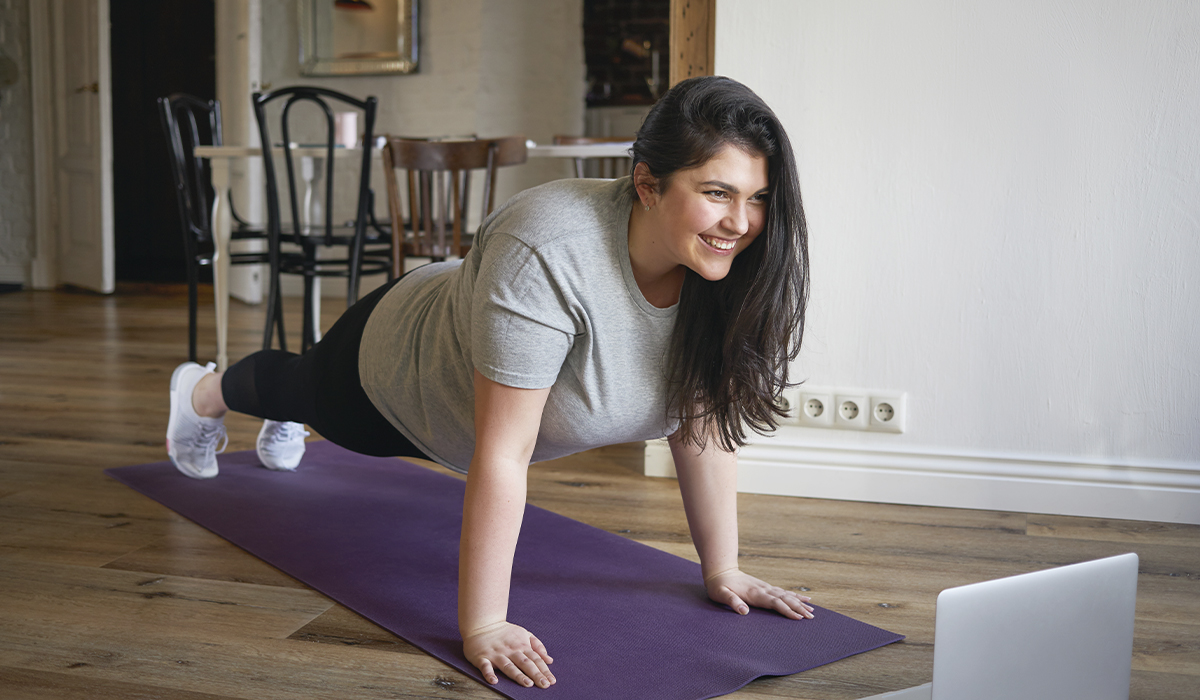
1Move your body (even a little!)
Exercise is a brilliant way to burn off stress – literally. Physical activity helps reduce cortisol levels, increases feel-good endorphins, and gives your mind something else to focus on.
Why not try:
- Heading out for a brisk 10-minute walk when you’re feeling overwhelmed. Nature can be incredibly calming, too, so it’s a bonus if you live near a park or another green space.
- Following a short YouTube workout, yoga flow, or dance session. No need to scroll to find the perfect pick, just choose anything that you fancy and get moving!
- Popping a reminder in your phone to stretch or walk each hour if you’re desk-bound all day.
Movement doesn’t have to be intense or time-consuming to be beneficial. The key is to find something that feels doable and enjoyable.

2Prioritise rest and sleep
A lack of sleep can make stress feel even harder to manage, and being sleep-deprived can increase cravings for high-energy foods. When you’re well-rested, your brain is better able to regulate emotions, problem-solve, and respond calmly to pressure.
Try these top tips to feel more rested:
- Set a consistent bedtime and wake-up time (yes, even on weekends).
- Create a wind-down routine – like a warm bath, reading a book, or listening to calming music.
- Avoid scrolling your phone right before bed – blue light can mess with your melatonin levels and make it harder to fall asleep.
Even small changes to your sleep habits can have a big impact on how you handle stress.

3Practise relaxation techniques
Stress tends to build up in the body – that means tight shoulders, clenched jaws, and shallow breathing. Relaxation techniques can help calm your nervous system and reduce physical tension.
Give these relaxing practices a go:
- Use deep breathing exercises to calm your body and mind. You can find tutorials to follow along with on YouTube, or try counting slowly from one to five on each inhale and exhale to help slow your breathing and focus your mind.
- Try progressive muscle relaxation. This involves tensing and releasing each muscle group from head to toe, and can help to make you feel more relaxed and connected to your body.
- Download a meditation app or guided relaxation podcast for a few quiet minutes each day. There are plenty out there to choose from, so you can try out different options before you find one that suits you.
The more you practise, the more natural these relaxation techniques will feel when you need them most.

4Reach out and connect
Spending time with others – whether you’re chatting about your worries or simply enjoying good company – can be incredibly grounding. Social connection helps buffer against stress and reminds you that you don’t have to carry everything on your own.
Why not start with these ideas:
- Call a friend or loved one for a quick catch-up – or send each other audio notes or short videos if you can’t find a time that you’re both free.
- Look for an online group or in-person club focused on an activity that you enjoy or a subject that you’re interested in.
- Spend time with people who lift you up – even a few minutes can help shift your mood.
- If you’re stressed at work, speak to your manager, HR department, or a union representative to get help and support. Students can speak to their teachers, tutors, or student support services.
- If you can, ask a friend or a family member to help you with particular tasks, which can help free up your time to tackle any areas that you’re finding particularly stressful.
Don’t underestimate the power of talking things through, seeking support, or just sharing a laugh.
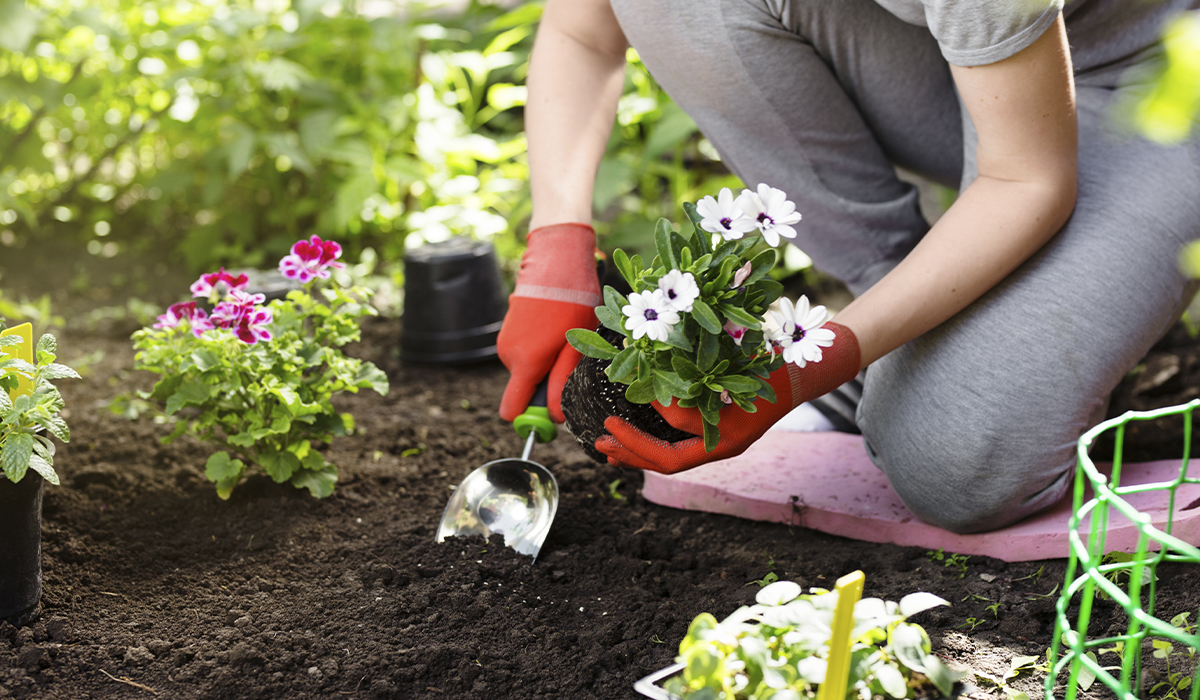
5Do something you genuinely enjoy
When stress hits, it’s easy to let the things you love fall by the wayside. But carving out time for hobbies, fun, or simple pleasures helps recharge your energy and break the stress cycle. We all need to spend time doing things that we enjoy, and it can help to distract you from your worries, while giving your self-esteem a boost.
Give these ideas a try:
- Make time each week for something that you do just for you – whether that’s painting, baking, playing music, doing a puzzle, or tending to your garden.
- Start small if time feels tight. Even 10 minutes can be enjoyable and help to shift your mindset.
- Keep a list of low-effort mood boosters you can reach for when things feel tough. For example, you might have some comforting books that you enjoy reading, or some easy arts and crafts that you can get stuck into.
Finding moments of joy – even tiny ones – helps remind your brain that there’s more to life than stress.
When should I seek professional help with stress?
If stress is starting to interfere with your daily life, it’s important to seek support, and there’s absolutely no shame in doing so.
Speaking to your GP can be a good first place to start. They can help you access talking therapies like CBT (cognitive behavioural therapy) or recommend local support services. You can also refer yourself directly for NHS talking therapy.
Charities like Mind and Samaritans also offer guidance, helplines and online tools to help you cope.
Stress happens – but it doesn’t have to derail your progress
It’s completely human to feel stressed or overwhelmed – and turning to food doesn’t mean you’ve ‘failed’. But the more you build a toolkit of other ways to manage those feelings, the more in control you’ll feel. From a short walk outside to a chat with a friend, each small step can help you move through stress and come out the other side feeling more supported – and all without turning to food.